Plus: Jim Bridenstine on space exploration as inspiration
| | | This month, our Space Minds podcast had three special episodes based on fireside chats, panel discussions and exclusive interviews between the SpaceNews' team and space leaders. The episodes below covered the future of space exploration, technology and policy. Keep up on the latest Space Minds episodes here.
| | | | | Science fiction and innovation in space
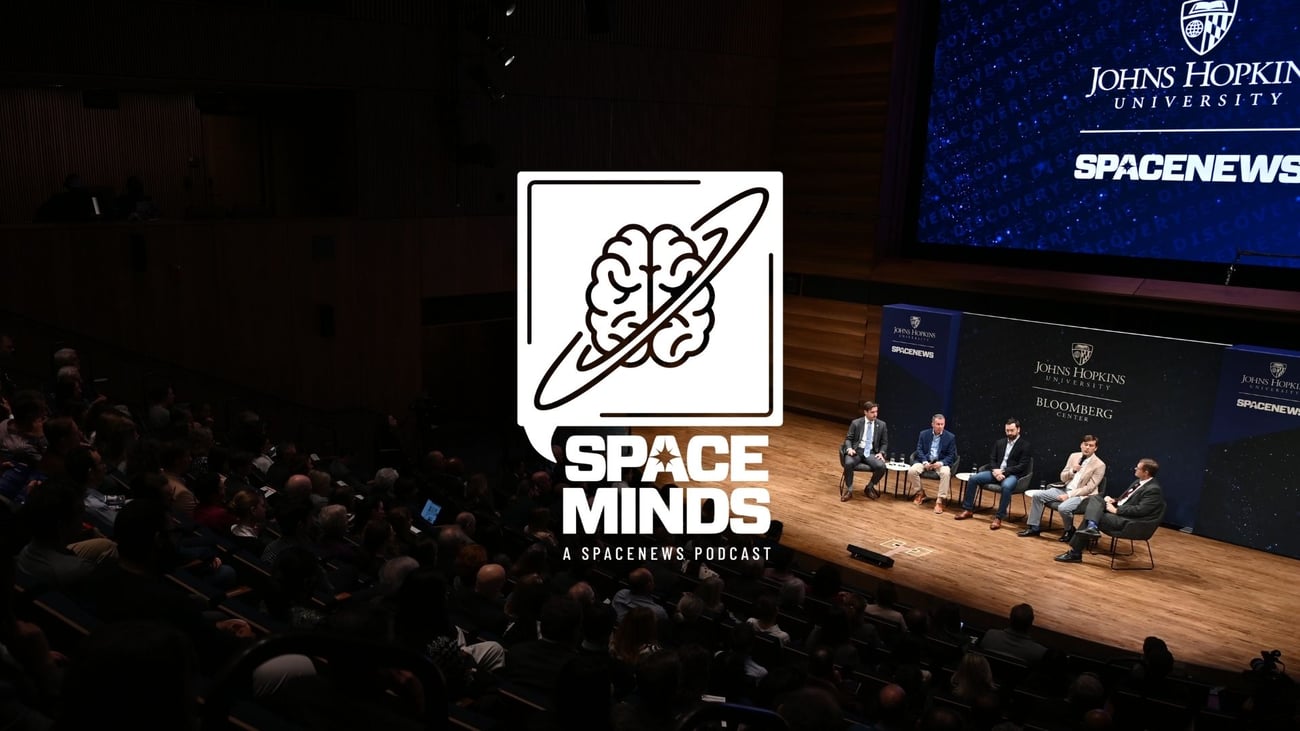
On Nov. 3, SpaceNews' Jeff Foust moderated a panel discussion with Astrobotic CEO John Thornton, Apex VP of Government Strategy Wes Puckett, Johns Hopkins APL Space Exploration Sector Head Bobby Braun and Stoke Space VP of Business Development Devon Papandrew. They explored how ideas once confined to the pages of science fiction are rapidly becoming reality. From commercial lunar landers and factory-scale satellite production to nuclear-powered rotorcraft bound for Titan and fully reusable rockets designed to fly daily, the space industry is in a transformative moment.
One example is humanity's access to the moon. Here's what Thornton had to say:
"When Astrobotic started back 18 years ago, we would go out and say, 'Oh, we're going to go land on the moon,' and we would literally get laughed at. I remember pitching it at pitch fest, and one of the judges just laughed at me the whole time because he just couldn't believe the possibility that this could be real. That's changed. Now we can say this publicly, and you probably don't think I'm crazy. Maybe you do a little bit. We're going to succeed as an industry. And NASA believes in that. We're seeing that interest in demand from the customer side. When Viper came off our lander, we said, 'Hey, who wants to go to the moon?' In a really short timeline, we had upwards of 60 players from all over the world knock on our door and say, 'Hey, yeah, I want to go.'"
▶️ Watch or listen to this episode.
| | | | | | | Reimagining space stations for the commercial age
Also during the Nov. 3 event, SpaceNews' Mike Gruss hosted a fireside chat with Starlab Space Systems CEO Marshall Smith, who reflected on his path from NASA engineer to leading the development of a next-generation commercial space station—one designed for science, manufacturing, and a future where private industry drives a sustainable economy in low Earth orbit. From market demand to design philosophy to the race toward a 2029 launch, Smith explained why he believes continuous human presence in space is essential, and how innovations in microgravity research and AI-driven operations could redefine what's possible both on orbit and on Earth.
Smith said he sees his company's space station as one that is geared toward research first.
"There are cables and wires everywhere" on the ISS, Smith said. "Stuff just jammed in everywhere. It's because it wasn't designed, really, with research in mind. What we're doing is we're designing this first Starlab as a research system, a science system. It's designed around the payload bays. It's designed around giving proper video and communication capability and control and AI systems to these payloads and research systems."
▶️ Watch or listen to this episode.
| | | | | | | Keeping America first in space
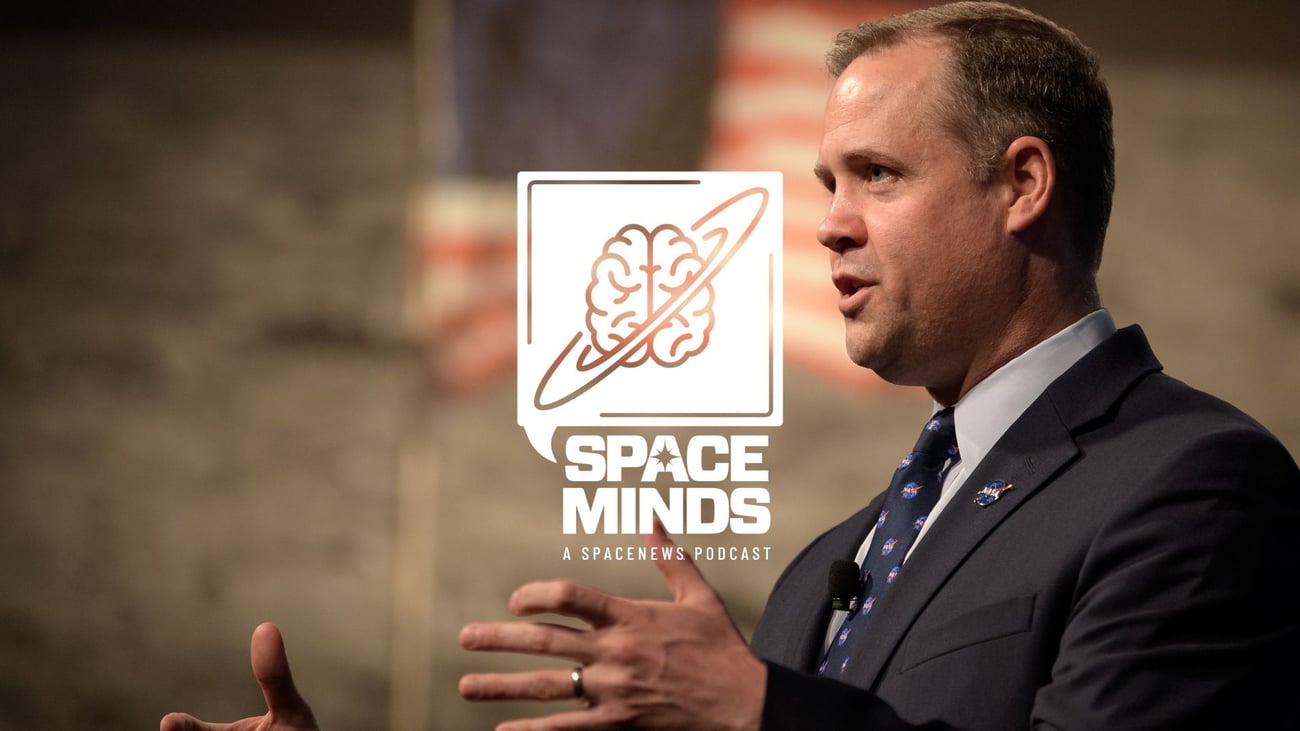
Space Minds host David Ariosto conducted an interview with former NASA Administrator Jim Bridenstine, who oversaw the launch of the Artemis program. They discussed intersection of politics, policy and innovation shaping the modern space race. From government shutdowns and funding instability to U.S.-China competition and the future of lunar commercialization, Bridenstine shared insights on why America's leadership in space depends on sustaining investment, fostering commercial partnerships and inspiring a new generation through science and exploration.
Here's what Bridenstine had to say about the inspiring nature of space exploration: "The psychological impact of NASA's achievements can't be overstated. When people see those Webb images, or a lunar landing, it reshapes how they see the world — and it inspires kids to pursue STEM. That's not just feel-good; it's national strength. If we want to lead, we must keep doing things that are stunning — returning to the moon, going to Mars, pushing science forward. Science has always been power, and understanding it gives you the edge. Always has, always will."
▶️ Watch or listen to this episode.
| | | | | | |













No comments:
Post a Comment